
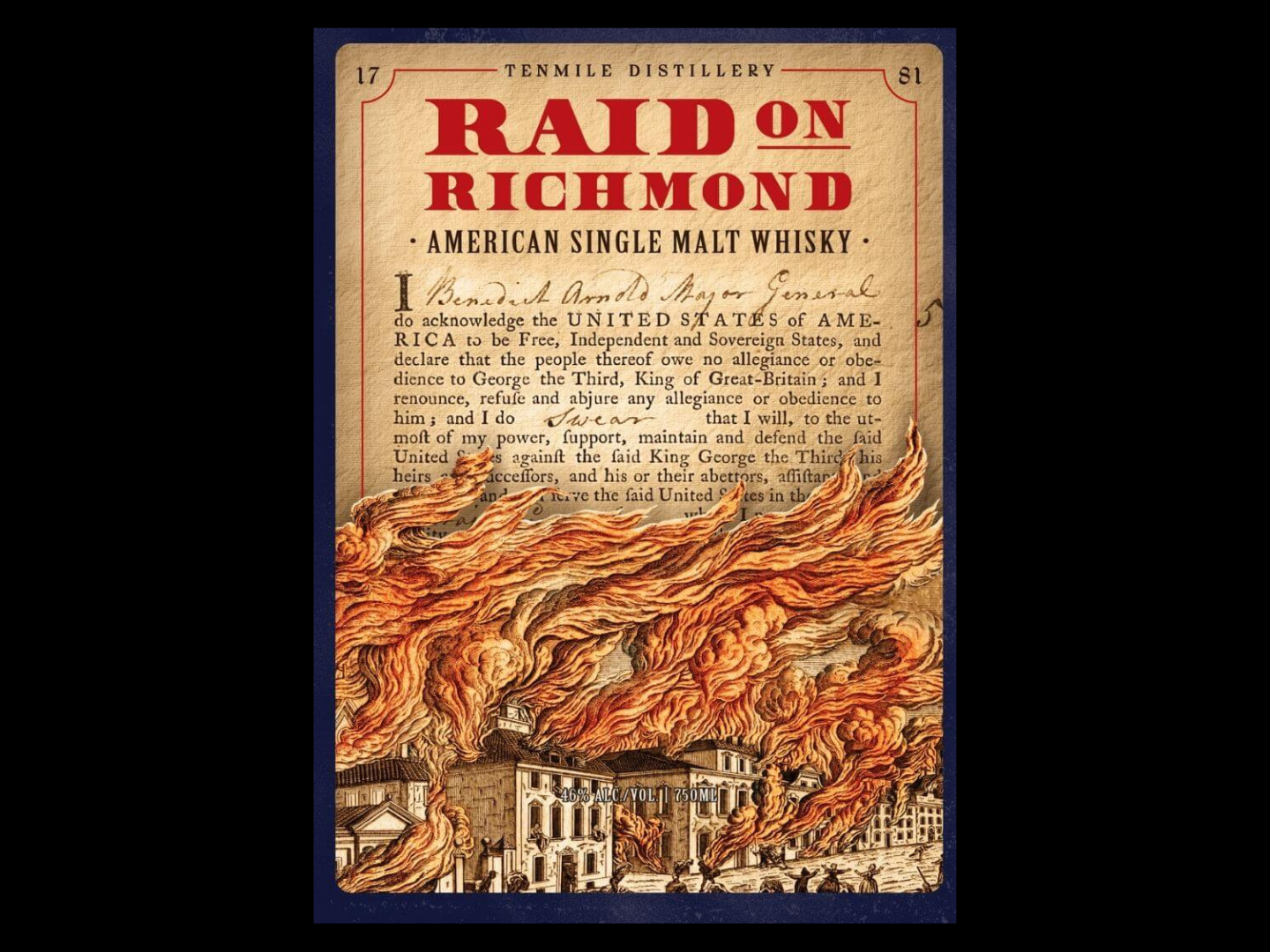
On a January morning in 1781, the newly established capital of Virginia faced an invasion that would become one of the most humiliating moments of the American Revolution. The man leading the attack wasn’t just any British officer. He was Benedict Arnold, a former American hero whose name would become forever linked with betrayal.
The Southern Strategy
By 1779, the American Revolution had reached a critical point. After four years of intense fighting in the Northern colonies, British military strategists made the decision to shift their focus to the south. Loyalist support appeared stronger in the Carolinas and Georgia, and the agricultural wealth of the South made it an attractive target.
The strategy paid off early. Savannah fell to British forces in 1778, followed by the capture of Charleston in 1780. With momentum on their side, the British set their sights on Virginia, a colony that represented both practical and symbolic importance to the Revolutionary cause. Virginia was wealthy, relatively undefended, and served as a crucial supply hub for the Continental Army. More importantly, it was home to many of the Revolution’s intellectual leaders including Thomas Jefferson, George Washington, and countless others who had shaped the foundation of American independence.
A Hero Turned Villain
Benedict Arnold’s story is one of the Revolution’s most tragic ones. Once celebrated as one of the Continental Army’s most brilliant generals, Arnold had played a crucial role in the American victory at Saratoga, which was a turning point that helped secure French support for the American cause. Yet despite his military genius, Arnold felt significantly underappreciated.
This bitterness worsened until it became treasonous. In 1780, Arnold secretly negotiated with the British and attempted to surrender West Point, one of America’s most strategic fortifications. When the plot was discovered, Arnold fled to British lines and accepted a commission as a brigadier general in the British Army. His defection sent shockwaves through both armies and broke the hearts of those who had once called him a patriot.
The Attack
In December 1780, Arnold took command of approximately 1,600 British and Loyalist troops with clear orders to strike Virginia hard and fast, disrupt American supply lines, and demonstrate the reach of the British military. He landed at Westover Plantation, downriver from Richmond, in the final days of December.
Virginia was woefully unprepared. Governor Thomas Jefferson and the state militia had little warning and even less time to mount an effective defense. Arnold’s march toward Richmond was swift and decisive. By January 5, 1781, he entered the capital virtually unopposed.
What followed was a campaign of destruction. Jefferson and other state leaders fled. The governor himself retreated to his estate at Monticello. Arnold’s troops systematically looted and burned Richmond’s public buildings, warehouses, and foundries. This wasn’t merely a military operation, but psychological warfare designed to demonstrate that the British could strike anywhere, even at the heart of the Revolution.
The Aftermath
The raid left Virginia reeling and deeply embarrassed. Governor Jefferson faced harsh criticism for his failure to organize an adequate defense. The state militia had proven incapable of protecting even their own capital. The political fallout was immediate. Jefferson declined to seek another term as governor and his reputation was temporarily tarnished by the disaster.
Arnold didn’t attempt to hold Richmond. After completing the destruction, his forces withdrew, having accomplished their primary objectives. But the American response was swift and furious. George Washington, outraged by the attack, dispatched the Marquis de Lafayette southward with troops to pursue Arnold and prevent future raids. The Americans also placed a £10,000 bounty (almost $3,000,000 today) on Arnold’s head, though he would never be caught.
Interestingly, even among the British high command, Arnold remained an object of distrust. General Cornwallis reportedly refused to serve directly under him, viewing him as a traitor who might betray anyone.
The Larger Picture
While the Raid on Richmond appeared to be a British success, it inadvertently set in motion events that would lead to American victory. The attack exposed Virginia’s vulnerability and forced the British to concentrate forces in the Chesapeake region. This strategic shift would prove fatal.
By fall of 1781, General Cornwallis found himself surrounded at Yorktown, trapped between the Continental Army and French naval forces. The Richmond raid had been a spark, but it ignited a blaze that ultimately consumed British hopes for victory in America.
Lessons from History
The raid carries multiple lessons that resonate beyond the moment. It demonstrated the critical importance of military preparedness and the dangers of complacency, even in regions that seemed secure. It exposed the devastating impact of internal betrayal on national morale and security. Most importantly, it proved that even large setbacks could become catalysts for ultimate victory when they forced necessary changes and renewed commitment.
Arnold’s betrayal became a powerful propaganda tool. His name rallied patriots and reminded them that they were fighting against not just British rule, but the corruption and personal ambition that threatened the very ideals of the Revolution.