
Watch the YouTube here!
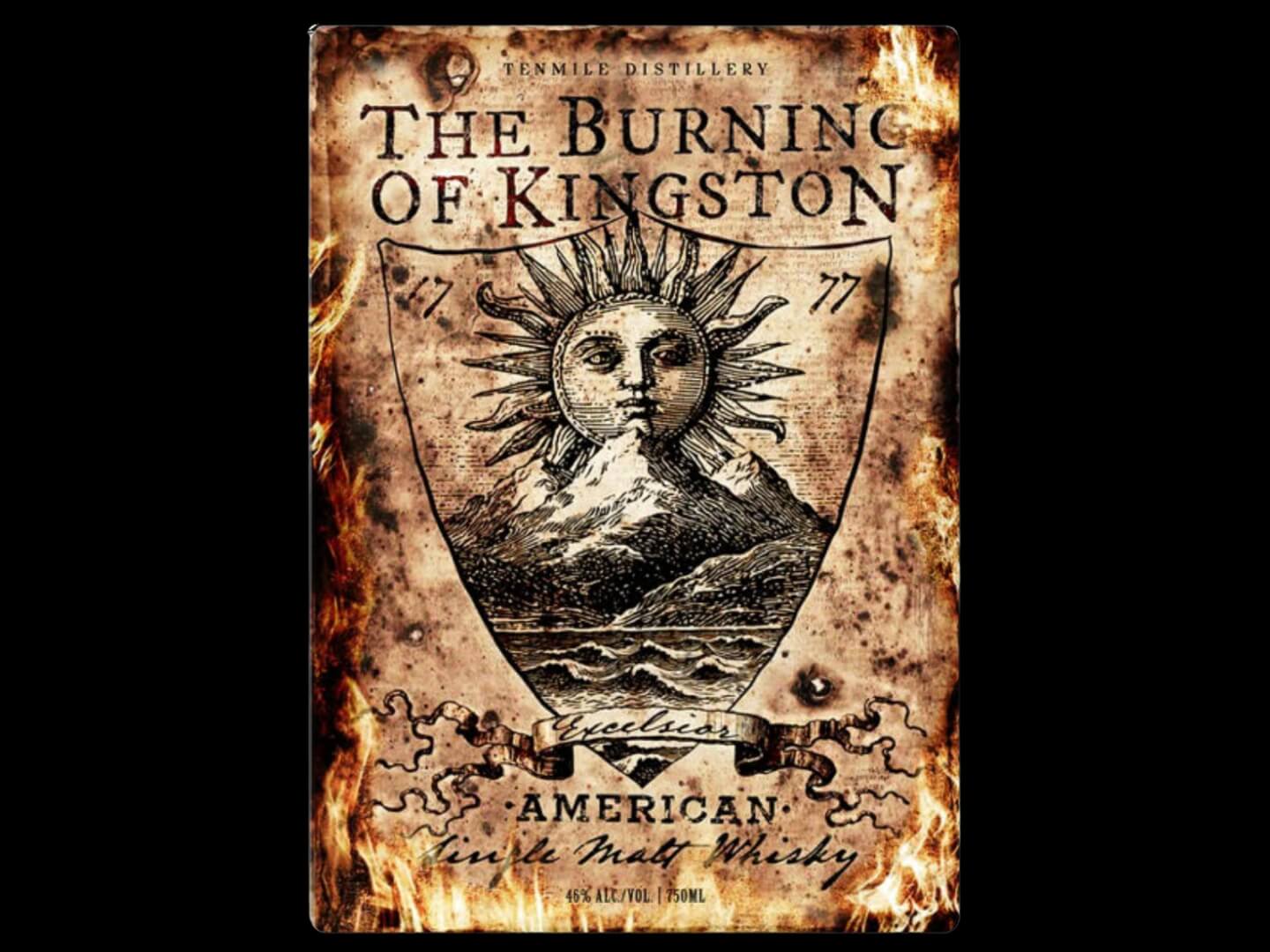
October 16, 1777, began like many autumn days in Kingston, New York, that is until British forces arrived and set the town on fire. By day’s end, over 300 buildings were destroyed, including the courthouse and church that had been the center of the community. The Burning of Kingston stands as one of the Revolution’s most brutal acts of retaliation, yet it ultimately backfired in ways the British never saw coming.
A Target
To understand why Kingston was burned, we need to understand its importance in the bigger conflict. Located in the Hudson Valley, Kingston sat along the Revolution’s critical artery, the Hudson River. This waterway served as both a important trade route and a military highway and made the surrounding towns essential to colonial supply lines and communications.
By October 1777, the war had been raging for two years, and the colonies remained deeply divided between Patriots fighting for independence and Loyalists who remained faithful to the British Crown. Kingston itself had become a hub for colonial activity, with its proximity to the Hudson making it a natural chokepoint for supplies and information flowing between the colonies.
The timing of the attack was not a coincidence. Just weeks earlier, British General John Burgoyne had suffered a devastating defeat at Saratoga. It was a loss that would prove to be the Revolution’s turning point by convincing France to enter the war on the American side. The British were reeling from this humiliation and determined to regain their authority through force.
General Vaughn’s Campaign of Fire
General John Vaughn led approximately 1,500 British troops and Loyalist militia into the Hudson Valley with clear instructions: destroy colonial supply lines, demoralize the local population, and demonstrate British military might. Vaughn’s strategy was to punish the Patriots. He would stage a series of raids and burnings designed to break the colonists’ spirit.
Kingston represented the crown jewel of this campaign. Its strategic location, its role in colonial logistics, and its symbolic importance as a thriving Patriot community made it a highly desirable target. When Vaughn’s forces moved swiftly up the valley, they caught the colonial militia off guard and taking advantage of the element of surprise that had served British forces well throughout the war.
Kingston Fell
When British and Loyalist forces arrived in Kingston on October 16th, the outnumbered and outgunned colonial militia made the decision to retreat rather than face certain defeat. This left the town defenseless and open to what came next.
What followed was total destruction. Tryon’s forces didn’t simply target military installations or supply depots, but they torched homes, businesses, and public buildings. The Kingston Court House, a symbol of colonial self-governance, was reduced to ashes. The First Dutch Reformed Church, which had served the community for generations, met the same end. By the time British forces withdrew, over 300 buildings had been destroyed, leaving much of Kingston in smoldering ruins.
This wasn’t warfare in the traditional sense. It was calculated retaliation designed to punish civilians for supporting the Patriot cause. The British targeted not just military assets but community life, hoping to demonstrate the cost of rebellion. The message was clear: support independence, and this is what happens to your home.
The immediate impact on Kingston was catastrophic. Hundreds of residents were displaced, forced to flee with whatever possessions they could carry. Families that had built lives over generations watched their homes and livelihoods disappear in flames. The local economy was shattered.
Winter was approaching, and many now faced the cold months without proper shelter. The psychological toll matched the physical destruction and the shock of watching their town deliberately destroyed by forces that included their Loyalist neighbors created deep wounds that would take years to heal.
The Unintended Consequences
Yet the British miscalculated badly. Rather than breaking colonial spirit, the Burning of Kingston became a powerful rallying cry for the Patriot cause. Throughout the colonies, the event was condemned as an act of brutal tyranny. It was proof that British rule meant not just taxation without representation, but vicious destruction of American communities.
The timing couldn’t have been worse for British propaganda. Coming so soon after Saratoga, where American forces had proven they could defeat professional British armies, the burning of a civilian town made the contrast obvious. Americans won battles through military skill, while the British resorted to destroying homes and churches.
The burning also highlighted the civil war dimension of the Revolution. Loyalists who participated in or supported the raid found themselves increasingly isolated in their communities. For many colonists who had been undecided about independence, the destruction of Kingston helped clarify where they stood. British forces, supported by Loyalist militia, had demonstrated what loyalty to the Crown meant in practice.
The Paradox
The Burning of Kingston stands as a powerful reminder of how military actions can produce effects opposite to their intentions. British forces sought to demoralize and intimidate; instead, they ensured resistance and provided Patriots with strong evidence of British tyranny. In trying to suppress rebellion through fear, they gave the rebellion new strength. Kingston burned, but from its ashes rose a stronger commitment to the cause of American independence.