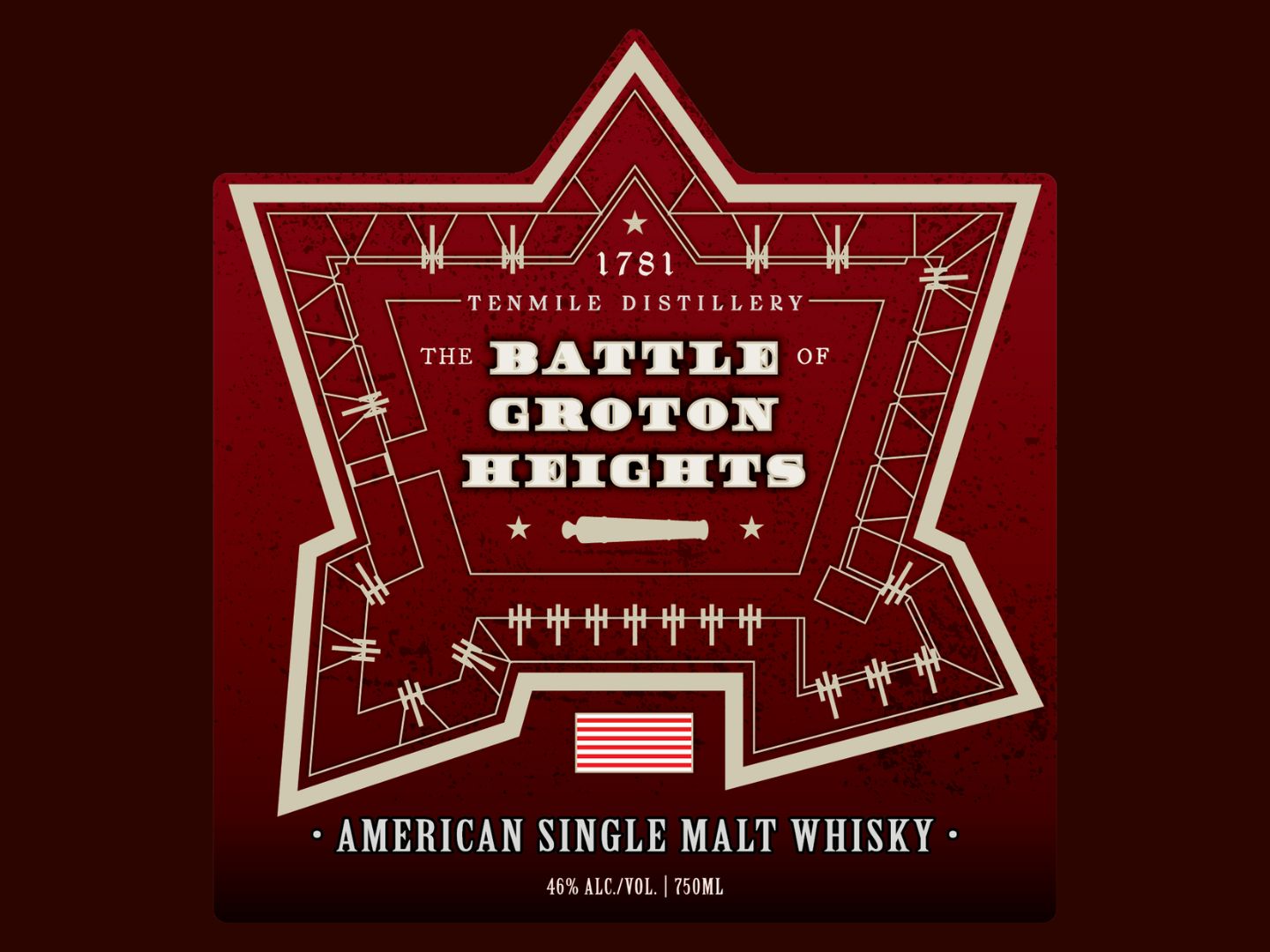
Let’s talk about one of those Revolutionary War stories that somehow doesn’t make it into most history classes. That’s probably because it’s equal parts heroic and absolutely devastating. On September 6, 1781, the small Connecticut town of Groton became the site of what can only be described as a massacre, led by none other than Benedict Arnold himself. Yes, that Benedict Arnold.
The Setup: A War-Torn Coast
By 1781, Connecticut’s coastline was basically a pirate haven. It was mostly the good kind of pirates, if you can call them that. New London had become a major hub for American privateers, which were privately owned ships that had official permission to attack British merchant vessels. Think of it as state-sponsored naval warfare with a profit motive.
This was making the British absolutely furious. Connecticut privateers had captured hundreds of British ships, disrupting trade routes and costing the British millions. Towns along the coast had already been hit with brutal raids as retaliation. Danbury, Norwalk, Fairfield had all felt British wrath. New London was the crown jewel of American privateering operations, and it was only a matter of time before the British decided to do something about it.
Enter Benedict Arnold: America’s Most Hated Name
Here’s where the story gets really twisted. The British decided to send Benedict Arnold—former American war hero, now full-blown traitor—to lead the raid on his home state. Talk about adding insult to injury.
Arnold had been one of America’s best generals. He’d helped capture Fort Ticonderoga, led the brutal winter march to Quebec, and basically won the Battle of Saratoga. But he felt underappreciated, got mixed up in financial troubles, married into a Loyalist family, and ultimately tried to sell out West Point to the British in 1780. When his plot was discovered, he escaped to British-controlled territory and became a British officer.
So when Arnold showed up in Long Island Sound on September 6, 1781, with 32 ships and about 1,700 troops, it wasn’t just a military operation—it was deeply, deeply personal.
The Raid Begins
Arnold’s plan was straightforward: hit both sides of the Thames River simultaneously. He’d take 800 men to burn New London on the western shore, while Lieutenant Colonel Edmund Eyre would take another 800 to capture Fort Griswold on the eastern side in Groton.
New London didn’t stand much of a chance. The town had minimal defenses, and Arnold’s forces moved through it systematically, destroying warehouses, ships, and military supplies. But then things got out of hand. Whether by accident or design, fires spread throughout the town. Homes, shops, and public buildings went up in flames. By the end of the day, much of New London was destroyed.
Fort Griswold: David vs. Goliath
Meanwhile, across the river, things were about to get much worse. Fort Griswold wasn’t a massive fortress. It was more like a glorified watchtower with earthen walls. Inside were about 150-160 local militia members. Not professional soldiers but just farmers, shopkeepers, and regular guys who grabbed their muskets when the alarm bells rang.
They were led by Colonel William Ledyard, a 46-year-old merchant. He was facing down nearly 800 professional British troops. The math was not in his favor.
Despite being outnumbered five-to-one, the defenders fought like absolute lions. They repelled multiple British assaults, their cannons tearing through the attacking ranks. Lieutenant Colonel Eyre was killed leading the first charge. For over an hour, these everyday Connecticut citizens held off one of the most powerful militaries in the world.
But eventually, the British made it over the walls. The fort was lost, and Colonel Ledyard made the painful decision to surrender.
The Massacre
This is where the story turns from tragic to horrific. According to multiple eyewitness accounts, when Ledyard approached to formally surrender, he was following all the proper military protocols of the time. A British officer took his sword and immediately stabbed him with it, killing him on the spot.
That act seemed to unleash something terrible. British and Loyalist troops began systematically killing men who had already surrendered. Of the roughly 160 defenders, about 85 were killed and 60 wounded. Many were bayoneted after they’d laid down their weapons.
This wasn’t how 18th-century warfare was supposed to work. There were rules, conventions, gentlemen’s agreements about how you treated defeated opponents. The massacre at Fort Griswold violated all of them.
The Aftermath: Memory and Meaning
News of the massacre spread like wildfire through the colonies, becoming powerful propaganda material. For Connecticut residents, it was confirmation of their worst fears about what British victory actually meant.
Ironically, the raid achieved very little strategically. Just six weeks later, Cornwallis surrendered at Yorktown, effectively ending the war. All that death and destruction in Connecticut ultimately meant nothing to the war’s outcome.
But for the people of Groton and New London, it meant everything. The Battle of Groton Heights became sacred ground almost immediately. In 1830, Connecticut erected a 135-foot granite monument on the site. This was one of the first Revolutionary War memorials in America.
Why This Story Matters
The Battle of Groton Heights reminds us that the American Revolution wasn’t just fought by generals and professional armies at famous places like Yorktown and Bunker Hill. It was fought by regular people in their own backyards, defending their own communities against impossible odds.
These weren’t men looking for glory. They were neighbors who made a choice to stand and fight even when they knew they’d probably lose. That kind of ordinary courage is what actually won American independence.