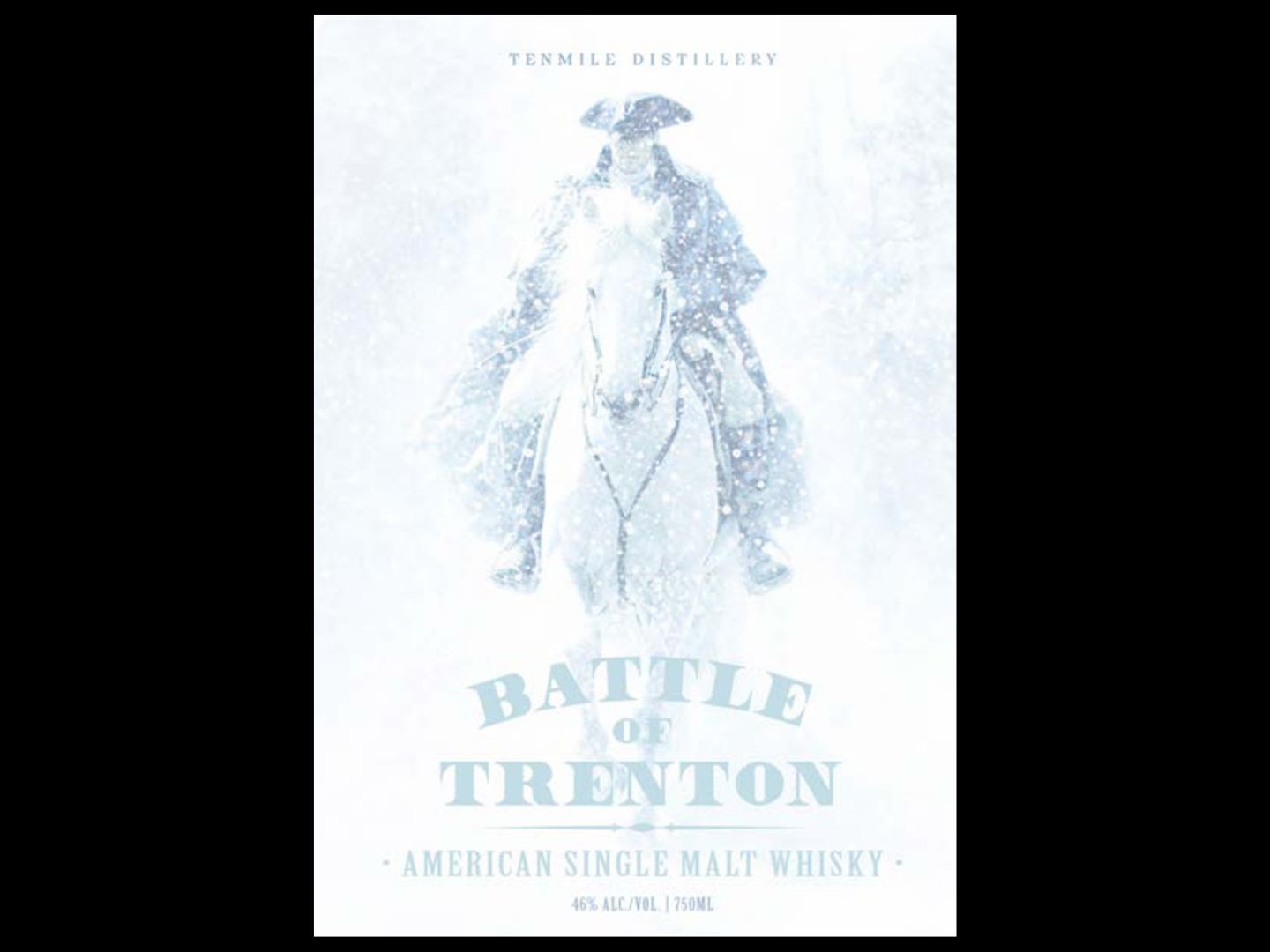
Imagine you’re standing on the banks of the Delaware River on Christmas night, 1776. While families across America are celebrating the holiday, 2,400 desperate men are preparing to cross an ice-choked river in the middle of a blizzard. Their commander is George Washington; a leader whose recent military record consists mostly of crushing defeats. What he’s about to attempt is so audacious that if it fails, American independence dies with it. This is the story of how one impossible night changed everything.
When All Hope Was Lost
By December 1776, the American Revolution was on life support. The year had been nothing short of disastrous. Washington’s army had been destroyed at Long Island in August, forced out of New York City in September, and retreated across New Jersey in complete humiliation. What had started as an army of 20,000 soldiers had shrunk to barely 3,000. It was a ragged band of farmers and laborers who looked nothing like the professional armies they were fighting.
Every day, more soldiers deserted. The Continental Congress had abandoned Philadelphia and fled for safety. Across the colonies, people were accepting British pardons and pledging loyalty to the King again. But the real crisis was looming on the calendar: on December 31st, most of the remaining soldiers’ enlistments would expire. Unless something dramatic happened in the next few days, the Continental Army would simply cease to exist at midnight on New Year’s Eve. The Revolution would end not with a bang, but with tired men quietly walking home.
Across the Delaware River at Trenton sat 1,400 Hessian soldiers. These German mercenaries represented everything the Americans were not. These weren’t untrained militia; they were highly trained professionals who looked at American rebels with pure contempt. Their commander, Colonel Johann Rall, reportedly dismissed the threat by saying, “These country clowns cannot whip us.” Christmas celebrations had made them complacent, and Rall ignored warnings about potential attacks, confident that Washington’s force posed no real danger.
The Impossible Plan
Facing his army’s imminent demise, Washington made the seemly insane decision to attack. On Christmas night, he would cross the ice-filled Delaware and strike Trenton at dawn. Everything about this plan defied basic military wisdom. Winter river crossings were considered suicide. The timing required perfect coordination during a blizzard. And the enemy consisted of Europe’s finest soldiers. But Washington understood something crucial: when you have nothing left to lose, desperation becomes its own kind of strength.
At 6 PM on Christmas Day, the first boats pushed off from the Pennsylvania shore. What followed was nine hours that tested human endurance beyond its limits. A nor’easter brought driving sleet and snow. Ice floes threatened to crush the boats or trap them mid-river. The crossing point at McKonkey’s Ferry was nearly a quarter mile of treacherous, churning water.
The unsung heroes were the Marblehead fishermen who manned the boats. These Massachusetts sailors, led by Colonel John Glover, possessed the specialized skills needed to navigate such deadly conditions. They worked through the night, ferrying soldiers, horses, and artillery across the ice-choked river. Emanuel Leutze’s famous painting captures the drama perfectly: Washington standing in his boat, projecting confidence as ice crashed around them, his mere presence keeping morale from collapsing completely.
Two other planned crossings failed entirely, turned back by the ice and weather. Only Washington’s succeeded, but at a terrible cost in time. By 4 AM, they were three hours behind schedule, and they still had to march nine miles to Trenton.
The March Through Hell
The march itself was its own kind of nightmare. Washington split his force into two columns to attack from different directions. The storm that had made the crossing so treacherous now provided cover but made marching absolute hell. Roads became sheets of ice. Many soldiers lacked boots, wrapping rags around their feet or marching barefoot, leaving bloody tracks in the snow behind them.
Yet remarkably, not one man turned back. These weren’t society’s outcasts; they were ordinary people enduring extraordinary suffering for the idea that common people could govern themselves. They were marching through a blizzard for the most radical political concept of their age. Even more remarkably, they maintained complete surprise. For nine miles through enemy territory, 2,400 men moved like ghosts through the storm.
Victory in the Snow
At 8 AM on December 26th, 1776, the American Revolution was reborn. Captain Alexander Hamilton’s artillery crashed into action at the head of King Street, raking it with grapeshot and turning it into a killing field. The Hessians were caught completely off guard with many still in bed and others just beginning their morning routines. Greene’s column poured down from the north while Sullivan’s attacked from the west, catching the enemy in a devastating crossfire.
Colonel Rall, awakened by the sounds of battle, tried desperately to organize resistance. But these American soldiers, demoralized for months, suddenly fought with desperate fury. They had crossed a frozen river in a blizzard to get here, and they weren’t about to be denied. Rall was mortally wounded attempting a counterattack, and with their commander down, Hessian resistance collapsed.
The entire battle lasted just forty-five minutes. When the smoke cleared, 22 Hessians lay dead, 83 were wounded, and nearly 900 were prisoners. American casualties: two wounded, five frostbitten. It was the most complete victory American forces had ever achieved.
Why It Mattered
Trenton’s impact went far beyond the battlefield. Washington’s soldiers, who had shuffled into town like beaten men, now stood tall with pride. They had met Europe’s finest in open battle and won. The psychological transformation was immediate and profound. News spread like wildfire across the colonies. Newspapers that had been preparing obituaries for the Revolution suddenly had miracles to report. Recruiting stations that had been empty filled with volunteers.
Most importantly, when enlistments expired on December 31st, Washington’s personal appeal convinced many soldiers to extend their service. Trenton proved that American soldiers could defeat professional Europeans in conventional battle through superior planning and courage. It created a mythology that would sustain American resistance through the dark years ahead.
When we remember Trenton, we remember more than a military victory. We remember the moment American independence stopped being just an idea and became a reality forged in ice, blood, and desperate courage. Sometimes, when everything seems lost, the impossible becomes inevitable if you’re willing to risk everything to cross your own Delaware.