
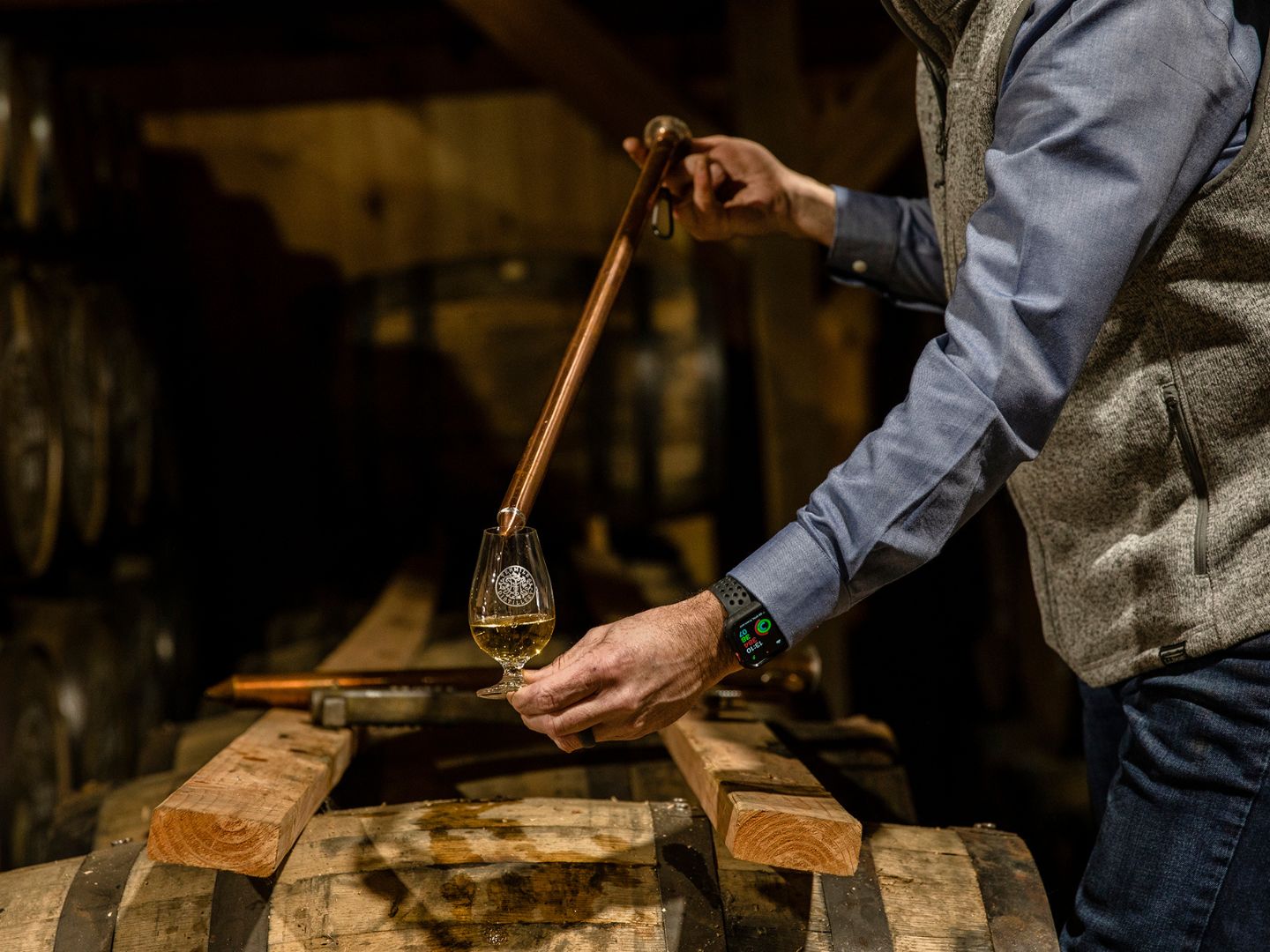
In the world of single malt whisky, few techniques offer as much creative potential as cask finishing. This artful process, also known as “wood finishing” or “double maturation,” involves transferring whisky from its original aging cask into a different type of barrel for the final months or years of maturation. The result is a spirit with added complexity, depth, and entirely new flavor dimensions.
What Is Cask Finishing?
Cask finishing is essentially giving whisky a “second education” in wood. After spending the majority of its maturation period in traditional oak casks—often ex-bourbon barrels or sherry butts—the whisky is moved to casks that previously held different spirits, wines, or fortified wines. This final aging period, which can range from a few months to several years, allows the whisky to absorb new flavors and aromas from the wood and any residual liquid in the finishing cask.
The technique gained prominence in Scotland during the 1980s and 1990s, pioneered by forward-thinking distilleries looking to create distinctive expressions. Today, it’s embraced by whisky makers worldwide, from Scottish Highlands to American craft distilleries.
The Science Behind the Magic
During cask finishing, several chemical processes occur simultaneously. The whisky extracts compounds from the wood itself—tannins, lignins, and cellulose derivatives that contribute structure and flavor. Equally important are the residual flavors left by the cask’s previous contents. A port pipe might impart rich berry notes and Christmas spice, while a rum barrel could add tropical fruit and vanilla sweetness.
Temperature fluctuations cause the whisky to expand and contract within the wood, accelerating extraction. The char level of the finishing cask also plays a crucial role—heavier char creates more surface area for interaction and can impart smokier, more intense flavors.
Popular Finishing Cask Types
Sherry Casks: Perhaps the most traditional finishing option, sherry casks add rich fruit flavors, nutty notes, and deep amber colors. Oloroso sherry casks provide dried fruit and walnut characteristics, while Pedro Ximénez casks contribute intense sweetness and fig-like flavors.
Port Casks: Port finishing creates some of the most dramatically colored whiskies, often with deep ruby hues. The flavor profile typically includes berries, plums, chocolate, and warming spices.
Wine Casks: Red wine casks can add berry fruits and subtle tannins, while white wine barrels might contribute citrus notes and floral characteristics. Sauternes casks are prized for their honeyed sweetness.
Rum Casks: These impart tropical fruit flavors, vanilla, and sometimes molasses-like richness. Caribbean rum barrels are particularly sought after.
Bourbon Barrel Finishing: While bourbon barrels are often used for primary maturation, finishing in fresh bourbon barrels can intensify vanilla and caramel notes.
The Art of Timing
Master distillers must carefully balance finishing time with desired outcomes. Too short a period might not impart enough character from the finishing cask, while too long could overwhelm the whisky’s original character. Most finishing periods range from six months to three years, though some exceptional expressions mature for longer.
The whisky’s age when transferred also matters. Younger whiskies tend to absorb finishing flavors more quickly and intensely, while older whiskies require longer finishing periods to show significant change.
The Collector’s Perspective
Cask-finished whiskies have become particularly popular among collectors and enthusiasts because they offer familiar distilleries in new clothing. A beloved distillery’s house style remains recognizable while gaining entirely new dimensions of flavor and complexity.
Limited releases featuring unusual finishing casks often command premium prices and develop cult followings among whisky enthusiasts seeking unique expressions.
Tasting Cask-Finished Whiskies
When approaching a cask-finished whisky, it’s helpful to nose and taste it with the finishing cask in mind. Look for the interplay between the whisky’s original character and the new flavors introduced by finishing. The best examples achieve harmony between old and new, creating something greater than the sum of its parts.
Consider tasting the same distillery’s standard expression alongside its cask-finished variant to appreciate the transformation that careful wood management can achieve.
The Future of Finishing
As whisky makers continue pushing creative boundaries, we’re seeing experiments with increasingly diverse finishing casks—from Japanese umeshu plum wine barrels to tequila casks to barrels that previously held craft beer. Some distilleries are even commissioning custom barrels seasoned with specific wines or spirits.
Cask finishing represents whisky making at its most creative, proving that even after centuries of tradition, there are still new frontiers to explore. For whisky lovers, these expressions offer endless opportunities to discover new flavors and appreciate the profound impact that wood can have on their favorite spirit.
Whether you’re a seasoned enthusiast or curious newcomer, cask-finished whiskies provide a fascinating window into the artistry and science that make single malt whisky one of the world’s most complex and rewarding beverages.